




How To
Tips for Polishing Silverware
Only use your silverware a few times a year? Follow these helpful silver polishing tips from the editors of Yankee Magazine.

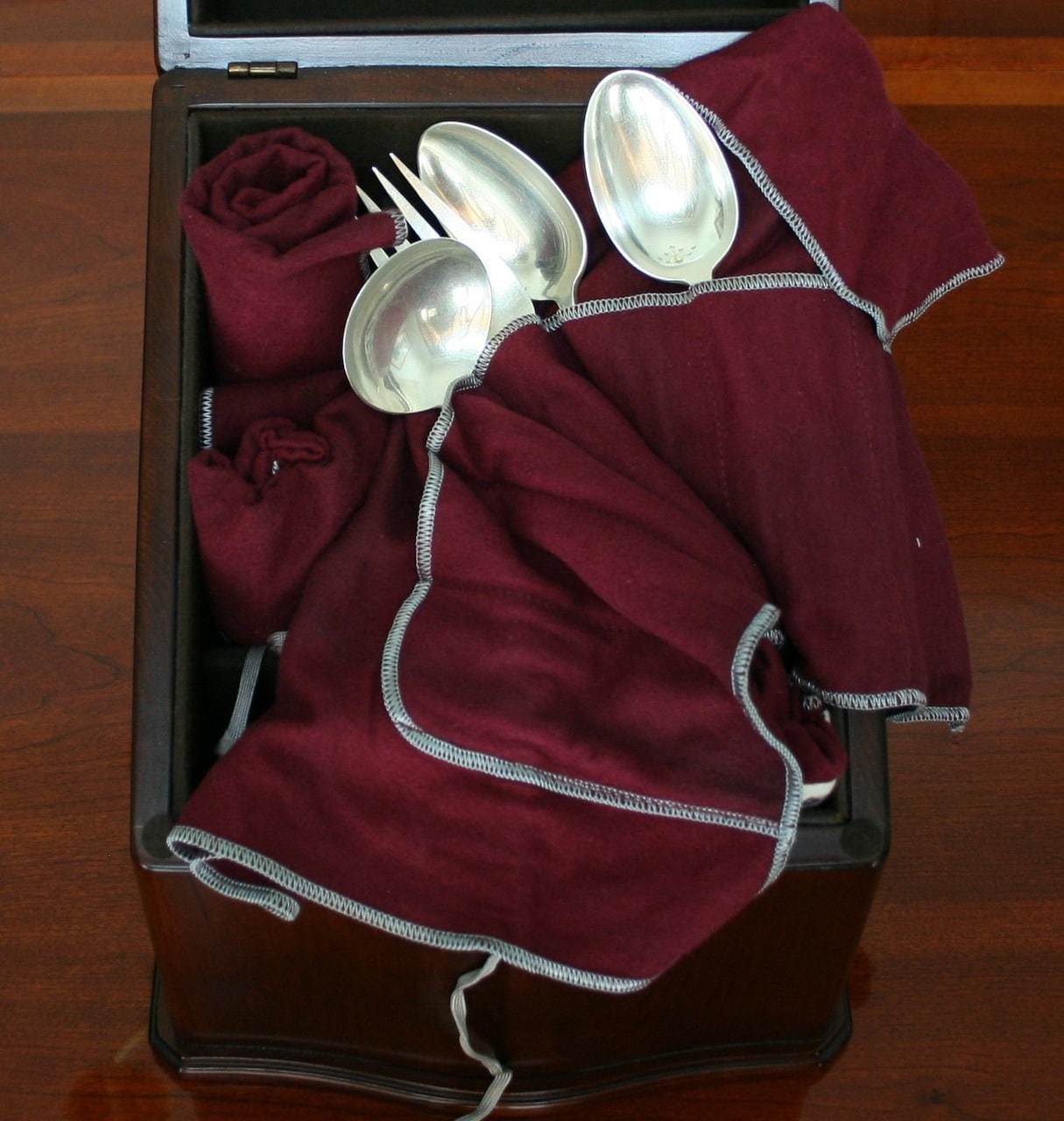
Tips for Polishing Silver
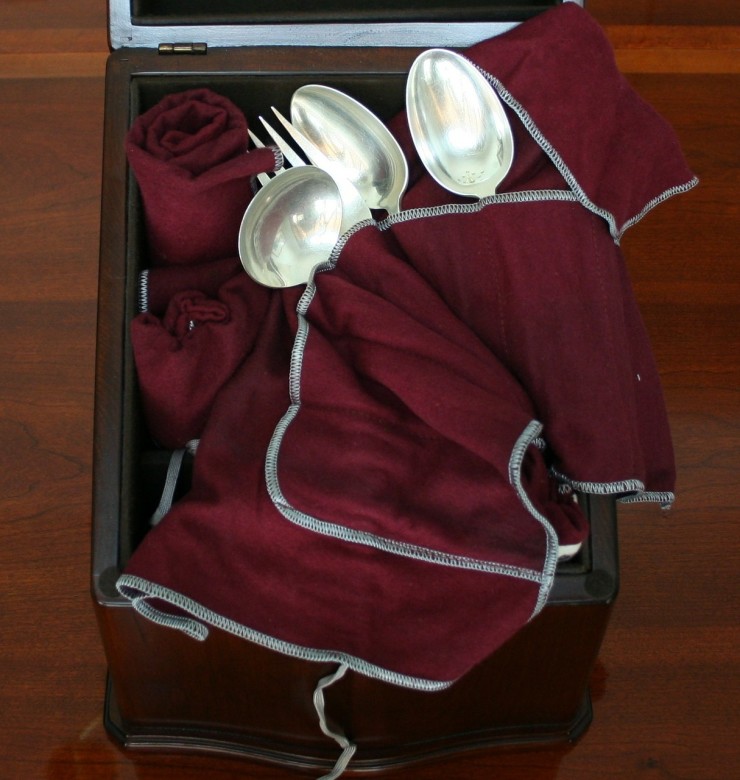
- If using silver regularly, try this method to clean it. After each use, simply wash it with a mild dishwashing liquid, rinse and buff dry with a soft cloth. Every time you polish silver, you wear off a fine layer of the metal, so polish only when you have to, and do it as gently as you can.
- Remove egg stains from silver by rubbing on salt with your fingertips, then washing in dishwashing liquid and rinsing well before buffing the piece dry. Don’t skip the washing and rinsing stages, or you’ll get new stains from the salt.
- Always use cotton gloves—not rubber ones—when polishing silver. Rubber can make silver tarnish faster, and the gloves will leave fingerprints that are hard to remove. In fact, contact with rubber can cause damage only a silversmith can repair.
- Never put a rubber band around a piece of silver. Over time, it will leave a brown stain that will be nearly impossible to remove.
- Drain your freshly washed silver on paper or cloth towels—never on rubber mats, which will make the pieces tarnish faster.
- When you store your silver, make sure the drawer is lined with a cotton, flannel or felt mat, not a rubber one that could promote tarnish.
These May Be Hazardous to Your Silver
- Check the label to make sure the soap you use to clean your silver doesn’t contain phosphorus or sulfur compounds, as these will cause staining.
- Be sure to wash silver immediately after it’s come in contact with eggs, brussels sprouts, vinegar or salt. All of these foods contain sulfur compounds, which cause silver to tarnish.
- If you live in an area with hard water (water that contains a lot of minerals), use distilled water to clean your silver. Hard water may leave mineral deposits that can cause pitting.
- Avoid letting your silver come in contact with mustard, mayonnaise or plastic wrap. At best, they’ll tarnish the silver; at worst, they’ll pit it beyond repair.
