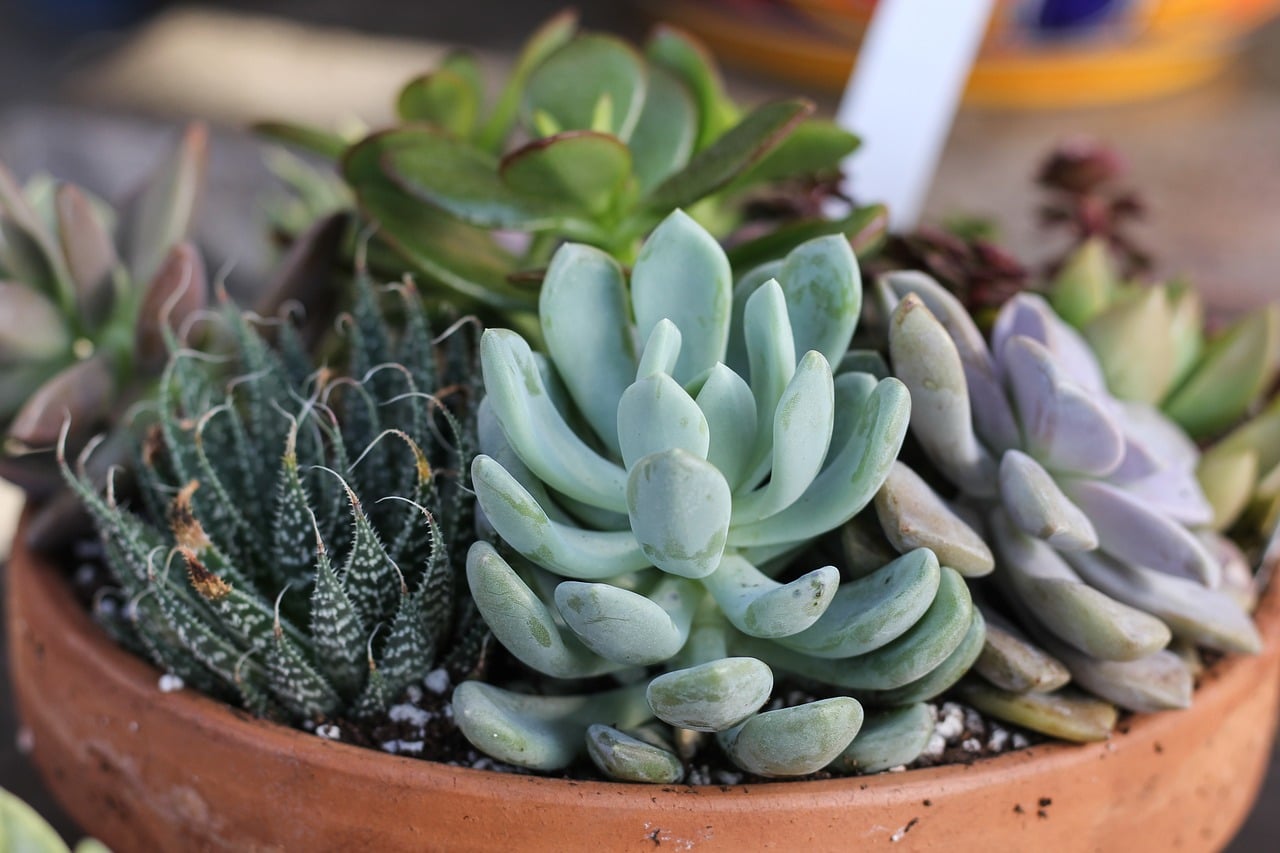
Succulent plants are not your typical houseplants. Sought after for their unique texture, colors, variety and versatility, they add stunning visual interest to their surroundings. Grouping them together in a container is a great way to bring a slice of summer color inside during the long winter months. Having them thrive is especially easy when you follow these simple succulent care and display tips.
Succulent Care and Display Tips Photo Credit : Pixabay
Types of Succulent Plants
Succulent plants, which are members of the cactus family, make excellent sun-loving houseplants, since they require very little water and direct exposure to bright (preferably natural) light. Native to virtually all desert climates, they will also thrive in arid environments elsewhere. Some species, such as hens and chicks, have adapted to dry soil conditions in the Northeast and are hardy, fast spreading perennials.
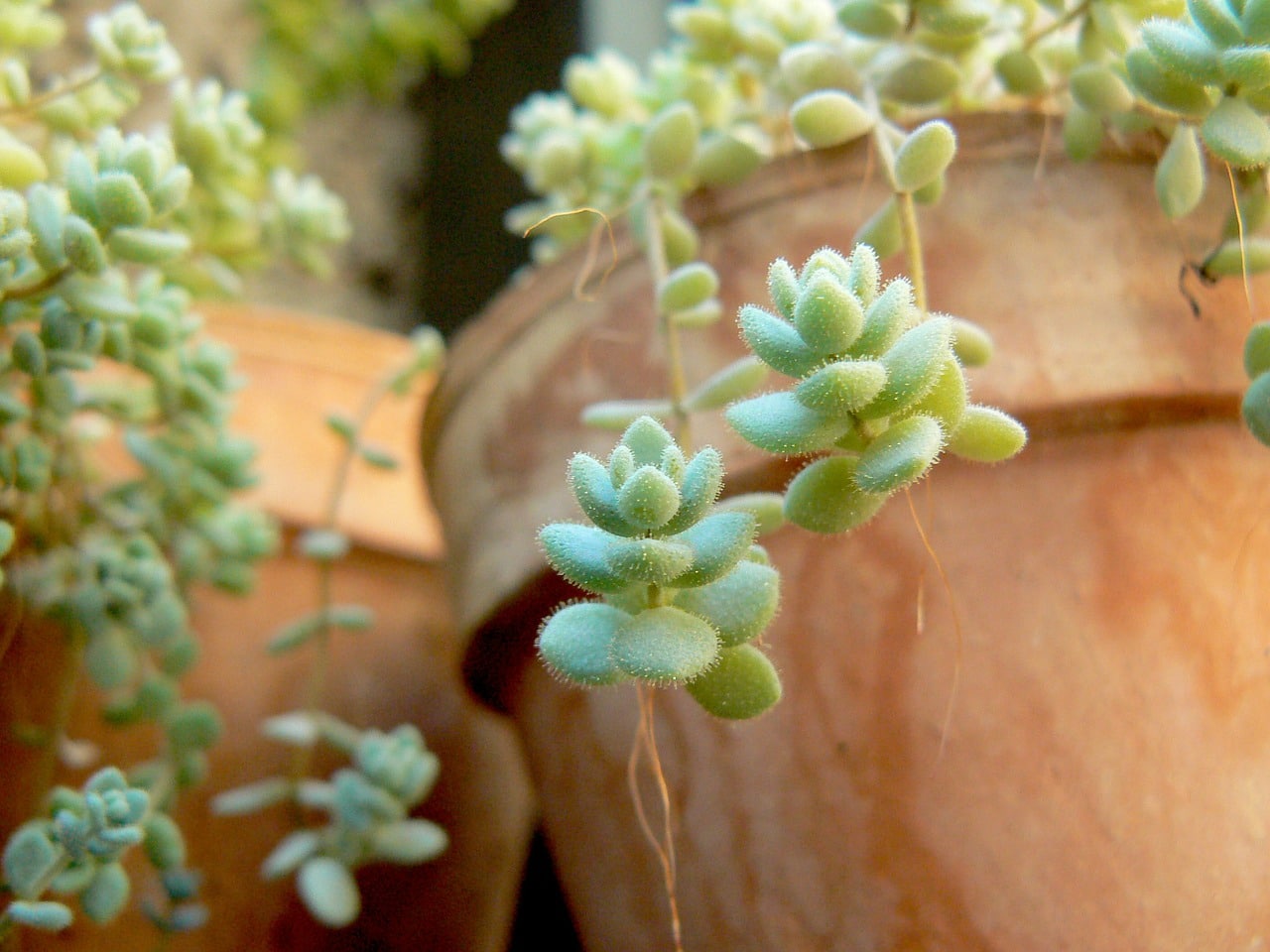
Common succulents include: jade, burro’s tail, string of pearls, string of bananas, hens and chicks, sedum, agave, air plants, bear’s paw, aloe, baby toes, desert rose, Irish mittens, snake plants, rat’s tail cactus and pin cushion plants. As you might expect, these plants resemble the familiar things they are named after. String of pearls is just that — delicate cascades of green pearl sized balls. Baby toes are small groupings of soft chubby appendages, and hens and chicks are clusters of small woven star balls with one larger “mother hen” star ball among them.
[text_ad]
Succulent Care Tips
Provide succulent plants with full sun or direct bright light.
Ideal temperatures are between 70-85 degrees during the day and no lower than 40 degrees at night.
Do not over water. A light misting of water with a spray bottle once or twice a week is adequate for most succulents.
Dry soil is necessary. Succulents should be potted in a fast-draining mixture that’s designed for cacti and succulents. Modifying basic potting mix with approximately half potting mix to half Perlite or Vermiculite (both products may be found in gardening supply stores) will increase aeration and drainage and will work fine as a medium for succulents.
Succulent Care and Display Tips Photo Credit : Pixabay
Succulent Display Tips
Succulents are equally appealing whether displayed in an antique urn, aged terra cotta plant pot, hypertufa trough, or even a contemporary glass planter.
Because of how easy succulent care is, dish gardens spilling over with succulents of various shapes and sizes are now being used as a substitute for cut flower arrangements in many homes and businesses.
Florists have caught on to the succulent plant trend and have been incorporating them into table arrangements for wedding receptions and corporate events. These unique plants have also been used as accents or even as an alternative to a traditional bridal bouquet.
Alone, succulents are an eye catching focal point. Group them together and they can make a statement as well as soften a space.
When tucked into the crevice of a stone wall or rock garden, succulent plants lend a timeless appeal that suggests the stones and plants have been coexisting together for decades.
Longer lasting than cut flowers and just as beautiful, succulents may be enjoyed for months and even years to come if proper succulent care is followed.
Do you have any other tips for succulent care? Let us know in the comments!
This post was first published in 2011 and has been updated.
Shelley Wigglesworth
Shelley (Fleming) Wigglesworth is an award-winning freelance journalist from Maine and a certified Maine Master Gardener who writes gardening articles on a regular basis for NewEngland.com. Her work can be found in the following publications: The Village Magazine, York County Coast Star, Yankee Magazine (online), National Fisherman Magazine, Commercial Fisheries News, Points East Magazine, Coastal Angler Magazine and The Maine Lobstermen's Association's "Landings."