




Answers to Your Toughest Gardening Questions
Q. I am crazy for herbs (cilantro, basil, parsley and mint). How can I get a head start on a great herb garden indoors that I can move outside when the weather gets warmer. Any tips for a year-round indoor herb garden? Answer: Herbs may be grown indoors year round, though they won’t be as […]

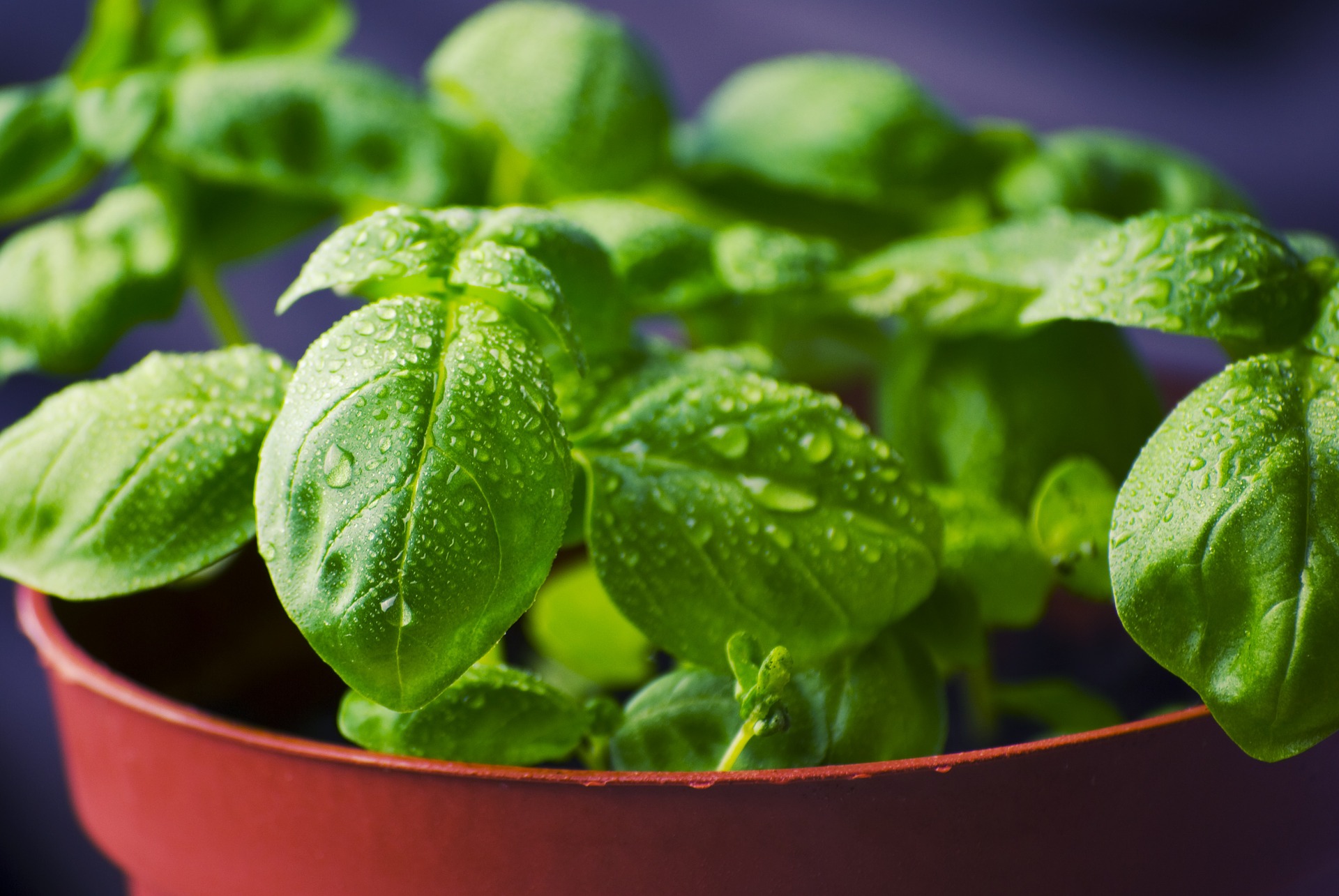
5 Natural Mosquito Repellents In Your Garden | Basil
Photo Credit : PixabayQ. I am crazy for herbs (cilantro, basil, parsley and mint). How can I get a head start on a great herb garden indoors that I can move outside when the weather gets warmer. Any tips for a year-round indoor herb garden?
Answer: Herbs may be grown indoors year round, though they won’t be as hardy, fragrant or healthy looking as they would if they are grown outside during the growing season—unless, of course, you have access to a hot house or greenhouse to grow herbs. You can start herb seeds just as you would any other vegetable seedling. Just follow the directions on the seed packet. I recommend using a plant heat mat or plant light for the first few weeks to encourage growth. Check the soil regularly to make sure it does not dry up when heat mats and lights are used. Starting herbs 4-6 weeks in advance of outdoor planting will assure they are ready to plant after the danger of a frost has passed. I grow an herb garden every year. The great thing about it is that I can harvest and use my own fresh herbs in the spring and summer and then dry the herbs I don’t use to last through the winter. Most herbs are perennials, so planting an outdoor herb garden is one way to enjoy herbs year after year. Best of all, they can are easily transplanted and transported if you move.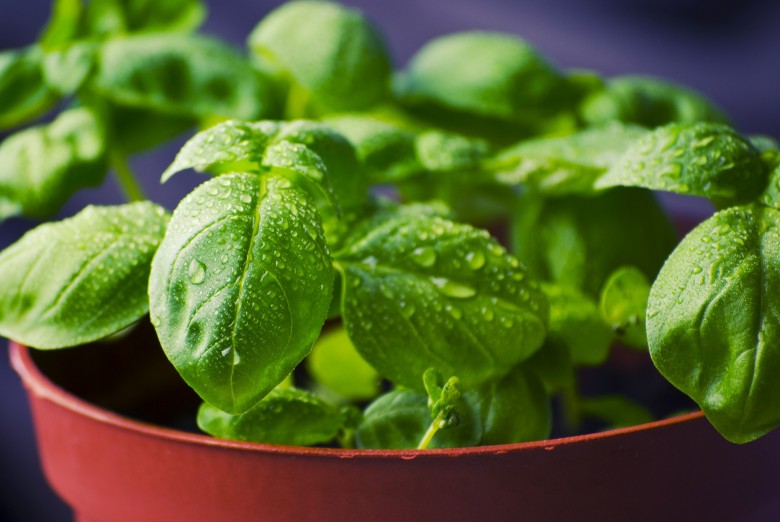
Photo Credit : Pixabay
Q: I cannot for the life of me keep a healthy peace lily. This is my fourth try. I use low light, enough water, and do not let it sit in water. I just don’t know what else to do, please help.
A: Peace lily plants are quite resilient. Although it may look lifeless due to over watering, under watering, lack of light or too much light, once the reason for the external appearance is diagnosed—usually by trial and error—a peace lily will make a full recovery. In my experience with peace lilies, moderate sunlight has worked best. Too much exposure to the sun will burn the leaves and the plant will become dry and shrivel up. Not enough light will cause the plant to stop growing, droop and slowly turn yellow and brown. Rotating the plant pot so all sides will get adequate light exposure helps. The rotating can be done while watering. Speaking of watering, a weekly watering of your lily should be enough. Check the soil to make sure it is damp and wet but not muddy. If a saucer is placed under the plant, it is fine to leave a bit of extra water run off in that for the plant roots to take in as needed. It is helpful to prune off dead, dying or yellowing leaves as they appear so that the plant can focus all of it’s energy on nurturing the healthy areas. I use a spray mist bottle of water on my plants between watering. The misting hydrates the leaves and keeps dust from forming, as well as providing a bit of moisture to the air surrounding the plant.
Shelley Wigglesworth
Shelley (Fleming) Wigglesworth is an award-winning freelance journalist from Maine and a certified Maine Master Gardener who writes gardening articles on a regular basis for NewEngland.com. Her work can be found in the following publications: The Village Magazine, York County Coast Star, Yankee Magazine (online), National Fisherman Magazine, Commercial Fisheries News, Points East Magazine, Coastal Angler Magazine and The Maine Lobstermen's Association's "Landings."
More by Shelley Wigglesworth