




Bittersweet Vine | Is the Invasive Plant Friend or Foe?
The Bittersweet vine is known for being destructive and invasive, but is everything about the bittersweet plant bad? Learn more.

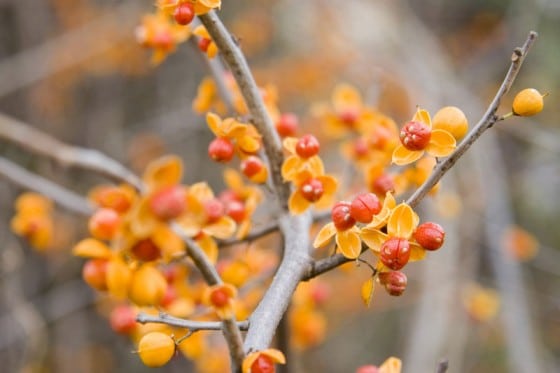
The bright flowers and berries of the bittersweet vine
Photo Credit : DreamstimeNew Englanders know that the autumn blooming bittersweet vine is a catch-22. Loved for its beauty and versatility in autumn decor, the bittersweet plant is also loathed for its invasive and destructive ways.
What is Bittersweet?
Bittersweet is an ornamental climbing vine that is native to Eastern Asia. It was brought over to the United States in the 1860s and has been running rampant ever since. Hardy and fast-growing, the vines of the bittersweet plant mirror the warm colors of autumn upon reaching maturation. Reddish-brown creeping stems and leaves support clusters of tiny yellow flowers and orange bittersweet berries that usually bloom just in time for autumn floral arrangements in the Northeastern part of the United States.
Bittersweet is easily located all over New England as it has grown wildly out of control on roadsides, and can even be seen engulfing abandoned buildings in some areas. If you reside in North America, there is a high probability that you have a bittersweet source very close by. A word of caution — when left unregulated, established bittersweet vines will literally take over the landscape, smothering out native species of trees, shrubs, and plantings. The tangled vines can also become so heavy that entire trees and plants may be uprooted once the bittersweet plant takes over. For these reasons and others, The United States Department of Agriculture has the bittersweet plant listed as a national invasive species.
Decorating with Bittersweet Vine & Bittersweet Berries
Despite their destructive ways, bittersweet remains a popular fall decorating material. Bittersweet vines are not only eye-catching, but they are also versatile and pliable. They are easily bent to conform to almost any shape, allowing them to be effortlessly added to existing floral arrangements and wreaths as an accent, or to be used alone in construction of a free form autumn wreath.
The vines also look festive grouped in a vase or urn. They are best suited for cooler indoor rooms or for outside display as the flowers and berries will fall off when exposed to warmer indoor temperatures, and they can stain clothing and flooring.
To decorate with bittersweet, begin by cutting the vines while the berries are still green if possible, and form them into wreaths immediately. If you wait until the flowers and berries are in bloom, the flowers and fruits may drop off while you arrange the wreath.
If you’re enchanted by the bittersweet vine in autumn, go ahead and enjoy it for what it is, but heed its namesake warning and take care not to aid in the spread of this very deceptive vine.
How do you feel about the bittersweet vine?
This post was first published in 2011 and has been updated.
LEARN MORE:
How to Control Invasive Bittersweet
Are Burning Bushes Invasive?
Four Beneficial Weeds Found in New England
Invasive Plants in New England

Shelley Wigglesworth
Shelley (Fleming) Wigglesworth is an award-winning freelance journalist from Maine and a certified Maine Master Gardener who writes gardening articles on a regular basis for NewEngland.com. Her work can be found in the following publications: The Village Magazine, York County Coast Star, Yankee Magazine (online), National Fisherman Magazine, Commercial Fisheries News, Points East Magazine, Coastal Angler Magazine and The Maine Lobstermen's Association's "Landings."
More by Shelley Wigglesworth