




Real Solutions: Pruning, Wood Ash Uses
Is winter the right time to prune my apple trees and blueberry bushes? — R.R., Jackson, NJ Most deciduous trees benefit from pruning while they’re dormant, so winter is a fine time to prune your fruit trees and shrubs, including apple, pear, cherry, blueberry, and currant. Some gardeners save the long, thin “water shoot” prunings […]

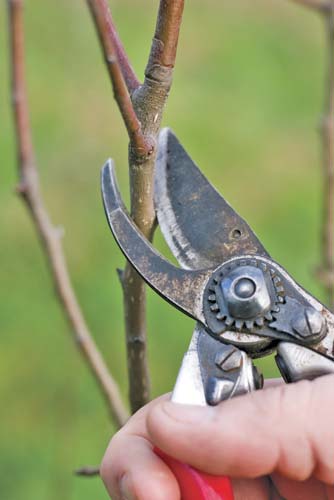
Is winter the right time to prune my apple trees and blueberry bushes? — R.R., Jackson, NJ
Most deciduous trees benefit from pruning while they’re dormant, so winter is a fine time to prune your fruit trees and shrubs, including apple, pear, cherry, blueberry, and currant. Some gardeners save the long, thin “water shoot” prunings from apple and pear trees to use as supports for plants in their vegetable gardens come spring. Contrary to past advice, most experts now consider it unnecessary, and perhaps even harmful, to paint cut-branch scars; they’ll heal just fine naturally.
If you’re not sure how to prune correctly, your local garden center can suggest a book on proper technique or advise you with regard to your particular tree and shrub species.
For the winter it’s also a good idea to wrap the trunks of your fruit trees loosely with quarter-inch wire-mesh hardware cloth, starting at ground level to a height of about a foot. Particularly if snow accumulates around the trunk, this physical barrier discourages mice and voles from chewing on the bark, which can girdle and damage your tree. Be sure to loosen or remove the wrapping next spring so that it doesn’t itself girdle the trunk.
I’ve heard that wood ashes from the fireplace may help plants grow. Would you recommend using them in my gardens? — C.M., Jericho, VT
Recycling ash from your fireplace instead of discarding it makes sense. When wood burns, the ash left behind contains many of the minerals that helped that tree grow, including calcium, potassium, and magnesium. Ash is alkaline, about a third as strong as limestone, and its small particles quickly increase soil pH. Applying moderate amounts (perhaps about 10 pounds per 100 square feet) to your vegetable garden or around certain landscape plants, including roses and lilacs, is beneficial. Don’t use wood ash around acid-loving plants such as blueberries and rhododendrons, or where you grow potatoes (it can promote scab), though.
Layering ash into your compost pile may also be beneficial, but spread it evenly. Some gardeners even create a barrier of ash around susceptible plants to keep out slugs and snails, but it must stay dry to retain its value. Be sure to wear protective clothing when handling ash, and avoid skin and eye contact with the dust.
