




Natural Lawn Care | Gardening Solutions
To understand the problem with lawns, it’s helpful to understand that diversity is essential to the natural world. Great energy expenditure is required to maintain a monoculture, whether it’s a field of corn or a lawn. A nonessential “crop” with a combined national acreage larger than Pennsylvania, our lawns require more water, insecticides, fungicides, weed […]

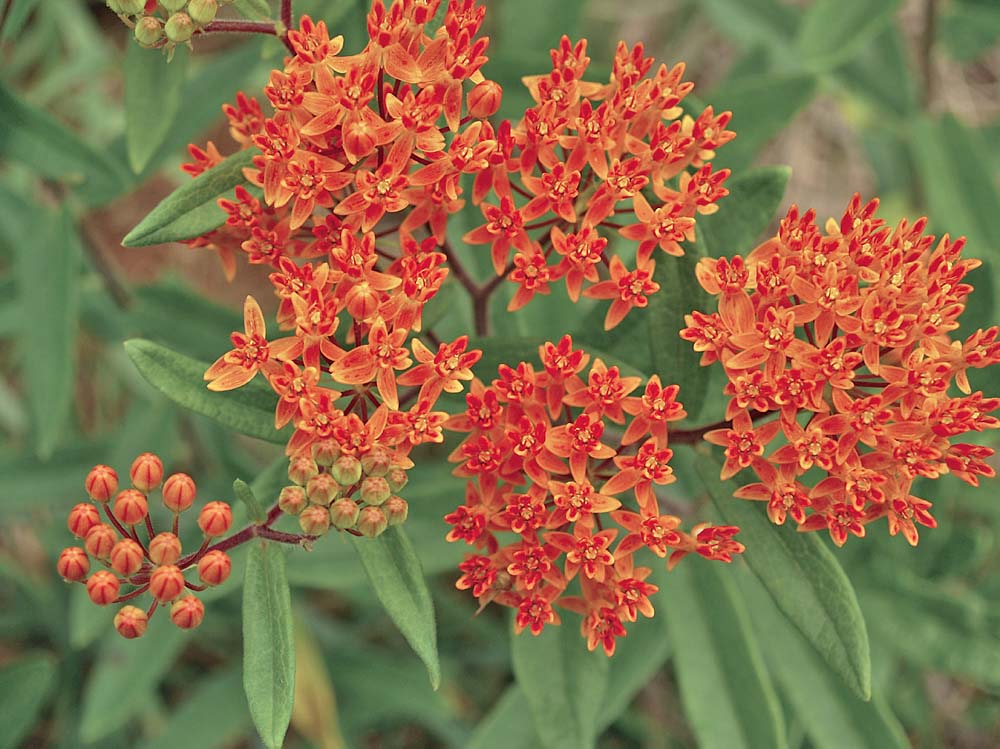
To understand the problem with lawns, it’s helpful to understand that diversity is essential to the natural world. Great energy expenditure is required to maintain a monoculture, whether it’s a field of corn or a lawn. A nonessential “crop” with a combined national acreage larger than Pennsylvania, our lawns require more water, insecticides, fungicides, weed killers, and fertilizers per acre than agricultural crops do — as well as gas-powered mowing, blowing, and weed whacking. All have accumulative negative impacts on air, water, soil, and natural diversity. A manicured lawn hosts few life forms.
Mimicking nature when caring for your lawn reduces the need for chemicals, watering, and gas-fueled machines. For example, you can mulch with leaf litter collected in the fall to protect soil health and moisture, and you can landscape with native shrubs, as these species have developed defenses against “pests” and don’t require watering beyond the region’s usual rainfall. Native plants also contribute to species diversity — from soil bacteria on up. The pleasing aesthetic of diversity will soon replace the aesthetic of a monoculture expanse of green. Using natural lawn care will return a bit of natural diversity to your small part of the planet.
