




User-Submitted Photos
Mud Season Facts and Trivia
Frozen in place. Worse than getting stuck in the mud is having the mud freeze solid around the tires after you’ve given up on the car and walked home. The wrong way to free a frozen-in car is to gun the engine. The right way is to jack up each wheel. Worst road in Maine. […]

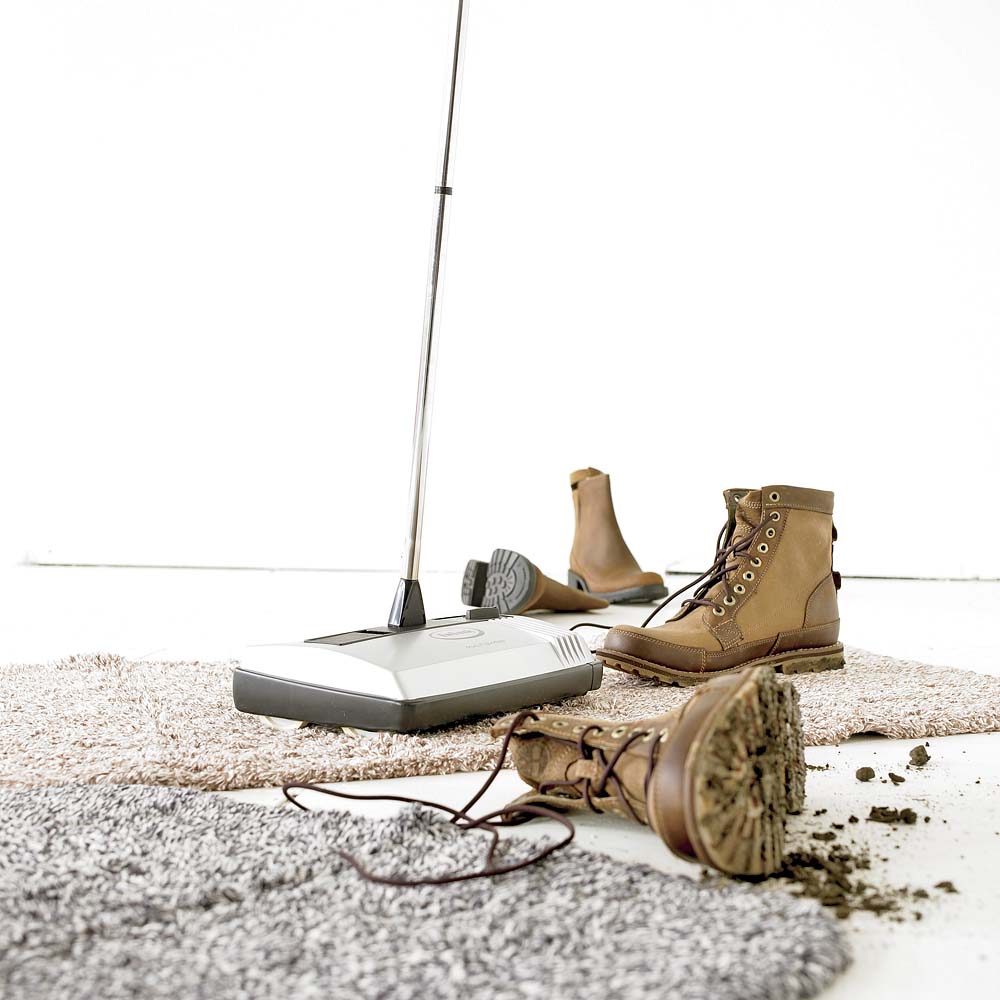
Photo Credit : Robbins, Heath
Photo Credit : Robbins, Heath
- Frozen in place. Worse than getting stuck in the mud is having the mud freeze solid around the tires after you’ve given up on the car and walked home. The wrong way to free a frozen-in car is to gun the engine. The right way is to jack up each wheel.
- Worst road in Maine. Last season, a half-mile stretch of Badgerboro Road in Palmyra snared six vehicles, a 7-year-old girl’s school shoes, and the dubious honor of being the state’s worst road. Cost for a road rebuild was estimated at $150,000.
- Mud season fun. When the first warm spring rain starts falling, go out at night with a flashlight and watch the salamander migration.
- 10 more days of mud. New Hampshire can expect an extra week and a half of mud season by 2100 if climate-change models prove correct.
- Making the best mud. Dirt with 12 percent fine-soil content (fine as defined by passing through a #200 sieve) makes for muddy roads. Dirt with a fine-soil content of less than 5 percent makes the best roads.
- Vermont wrote the book on mud. Two-thirds of Vermont’s 12,812 miles of maintained road are dirt, and most are built on soils exceeding the 12 percent fine-soil content. When the U.S. Army’s Cold Regions Research and Engineering Lab studied muddy Vermont roads, their 179-page report, “Improved Performance of Unpaved Roads During Spring Thaw,” revealed that the cost of improving mud season road conditions was estimated at $140,000 per mile.
- The 4 percent solution. Contractors facing delays due to mud “dewater” soils by dropping enough lime to equal about 4 percent of the soil’s dry weight. The resulting chemical reaction cuts moisture by 9 percent.
- Yankee’s 8-step program to remove a mud stain from a rug:
- Apply a small amount of mild liquid detergent to the stain.
- Blot the stain with a dry, white cloth.
- Flood the area with white vinegar.
- Blot again with the cloth.
- Apply a little more liquid detergent to the stain.
- Blot the stain again.
- Flood the area with water.
- Blot one last time.
- Too muddy for hiking? If you answer “yes” to any one of these three questions prepared by Vermont’s Green Mountain Club, stay off the trail, turn back, and find another place to hike:
- Is the trail so bad that you’d need to walk on the side vegetation to skirt the muddy spots?
- As you start out on your hike, do you notice your boots sinking into the gloppy muck, leaving huge, sloppy prints and making vacuum-like sucking sounds when you extract your boot after each step?
- Do you ordinarily like to hike in sneakers, but decide to wear heavy boots to keep your feet dry (and, hey, let’s be honest, because the mud might suck off your sneakers)?
- Know before you go. Vermont’s Long Trail and its side trails on state lands are closed from April 15 to May 24. Spring road closings in the White Mountain National Forest are posted at: fs.fed.us/r9/forests/white_mountain/recreation/roads_status.php
- Read the book. Everything you need to know about mucky travel this season may be found in “Preventing Muddy Roads: A Road Commissioner’s Tool Box.” Download it for free at: aot.state.vt.us/matres/Documents/ACROBAT.pdf/AOT_FinalTechTransferDoc5-05.pdf
